
The concept of home comfort is often treated as a luxury, yet it is fundamentally tied to our physiological well-being and daily productivity, influencing how we recover from the demands of the outside world. When we think of a comfortable home, we might envision soft furniture or aesthetic decor, but the true foundation of a sanctuary lies in the invisible variables: temperature, humidity, and air quality, which dictate our biological state more than any visual element. A home that is consistently too hot, too cold, or filled with stagnant air ceases to be a place of rest and instead becomes a source of subtle, ongoing stress, taxing the nervous system and preventing true domestic tranquility. This lack of environmental control can lead to poor sleep, reduced focus, and a general sense of unease within the very walls meant to provide safety.
Transitioning from a reactive lifestyle—where you only notice your environment when it fails or becomes unbearable—to a proactive one allows you to reclaim your living space and dictate the terms of your own comfort. By viewing your home as a delicate ecosystem rather than a collection of separate rooms, you can implement simple, affordable upgrades that yield massive returns in daily satisfaction and long-term property health. This guide explores the systematic ways you can elevate your environment through strategic maintenance and smart enhancements, ensuring that your home remains a perfectly regulated refuge regardless of the fluctuating conditions outside. Taking this initiative transforms your residence into a high-performance living environment that actively supports your lifestyle and preserves your mental energy for the things that matter most.
Modernizing Your Control Systems

The way you interact with your home’s climate is the most direct factor in your daily comfort levels, serving as the bridge between the mechanical power of your equipment and your personal physical experience. Many older homes rely on antiquated sliders or basic digital interfaces that lack the precision required for modern living, leading to a constant struggle to find a stable equilibrium. These older systems often result in “short-cycling,” where the system turns on and off too frequently due to inaccurate sensing, or massive temperature swings that leave you shivering one moment and sweltering the next as the hardware overshoots its targets. Upgrading these touchpoints is one of the most cost-effective ways to modernize your entire living experience, as it allows your existing equipment to operate with much greater intelligence and nuance.
Implementing a professional thermostat installation allows you to move beyond simple temperature settings and into the world of behavioral climate management, where your home adapts to your life rather than forcing you to adjust to the machine. Modern devices can learn your schedule, automatically lowering the energy load when you are at work and ensuring the house is at the perfect temperature the moment you walk through the door, striking an ideal balance between fiscal responsibility and luxury. Furthermore, as we transition into the colder months, ensuring the mechanical heart of the home is healthy is paramount to maintaining this atmosphere of ease. Addressing any minor inconsistencies with a timely furnace repair ensures that when the first frost hits, your system can provide steady, reliable warmth without the smell of burning dust or the sound of struggling motors, allowing you to focus on your daily activities in a perfectly regulated environment.
- Seek out interfaces that offer remote connectivity, allowing you to adjust your home’s climate from your smartphone before you arrive.
- Consider devices that track energy usage patterns to help you identify where you might be wasting money on unoccupied rooms.
- Ensure your sensors are placed in central locations away from direct sunlight or drafty windows to get the most accurate readings.
- Evaluate your heating system’s pilot light and heat exchanger early in the season to prevent mid-winter outages.
Restoring Peak Performance Through Routine Care
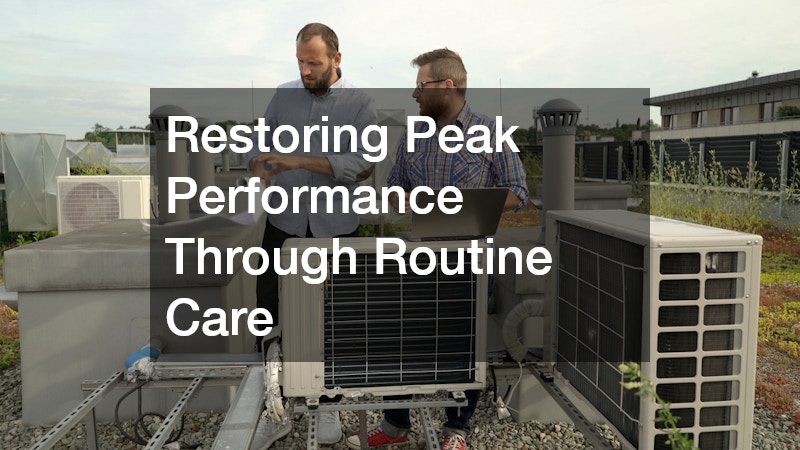
Over time, even the highest-quality mechanical systems begin to lose their edge as the friction of daily operation and environmental factors take their toll. Dust, pet dander, and various environmental pollutants accumulate within the internal components, creating a layer of resistance that forces the system to work harder and run longer to achieve the same results. This inefficiency not only increases your utility bills by wasting energy but also significantly degrades the quality of the air you breathe, as these contaminants are constantly disturbed by the blower motor. A home that feels “stuffy” or has persistent odors is often simply a home with a congested mechanical system that can no longer filter or circulate air effectively. Restoring that “new home” feel requires a sustained commitment to clearing the pathways that deliver your comfort, ensuring the entire network is free from obstruction.
One of the most transformative steps you can take for your indoor air quality is hiring a professional duct cleaning company to remove the hidden buildup that standard vacuuming cannot reach. Over years of operation, ductwork can become a reservoir for allergens, heavy particulates, and debris that are recirculated every time the fan kicks on, essentially turning your ventilation system into a distribution network for dust. Clearing these channels ensures that the air reaching your living room is as fresh as possible, reducing the burden on your lungs and your furniture. This deep cleaning should be paired with a comprehensive approach to HVAC maintenance, where a skilled technician inspects belts for wear, lubricates moving parts to reduce mechanical stress, and checks refrigerant levels for optimal heat transfer. This routine care ensures that the system operates at its peak efficiency, moving air silently and effectively throughout your entire floor plan while extending the operational life of your mechanical investment.
- Change your air filters every 30 to 90 days depending on whether you have pets or live in a high-pollen area.
- Keep the area around your outdoor condenser unit clear of weeds, leaves, and debris to ensure proper heat exchange.
- Listen for new or unusual sounds, such as whistling or banging, which often indicate a loose component or a blockage in the airflow.
- Vacuum your floor vents and return air registers regularly to prevent surface dust from being pulled back into the system.
Cooling Strategies for Maximum Relaxation
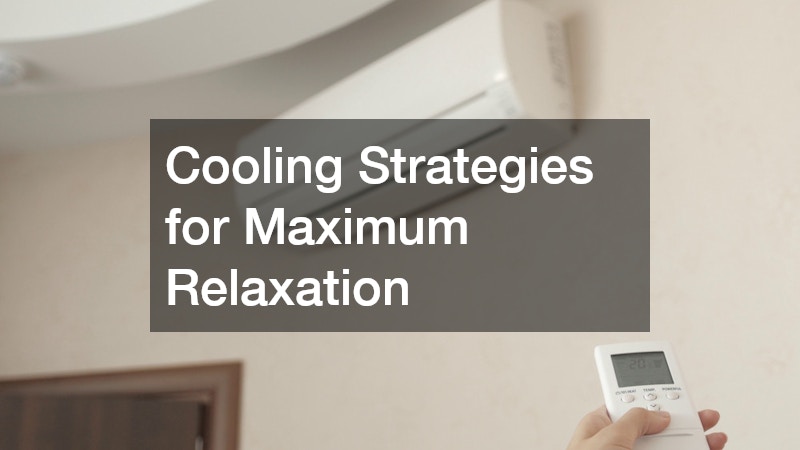
When summer temperatures peak, the demand on your cooling system can be immense, testing the limits of every mechanical component within the unit. If your system isn’t optimized, you may find that the upper floors of your home remain uncomfortably warm while the basement is freezing, creating a disjointed living environment that forces you to avoid certain rooms. This imbalance is often caused by minor mechanical inefficiencies, such as restricted airflow or poor calibration, which prevent the even distribution of treated air. Enhancing the performance of your existing air conditioners doesn’t always require a total replacement; often, it is a matter of fine-tuning the equipment you already own to ensure it can handle the humidity and heat load of a modern summer without overworking the compressor.
The most effective way to ensure a seamless summer is to schedule professional ac maintenance before the heat becomes oppressive, allowing you to enter the season with total confidence in your home’s resilience. A technician can clean the coils to improve heat transfer and ensure the drainage lines are clear, preventing the common “musty” smell that occurs when condensation sits in the system and breeds microbial growth. If you notice that your unit is struggling to keep up with the thermostat or is running longer than usual to reach a set temperature, it may be an early warning sign that you need a minor ac repair. Addressing a small refrigerant leak or a failing capacitor in May is significantly more affordable and less stressful than dealing with a complete system failure during a July heatwave, as it prevents a small mechanical hiccup from cascading into a total equipment breakdown.
- Use ceiling fans in a counter-clockwise direction to create a wind-chill effect that allows you to set the thermostat four degrees higher without losing comfort.
- Close curtains or blinds on the sunny side of the house during the day to reduce the greenhouse effect in your living spaces.
- Ensure that your outdoor unit is shaded if possible, as cooler air around the condenser allows it to shed heat more efficiently.
- Check the insulation on your refrigerant lines to ensure the cooling energy isn’t being lost before it even reaches your indoor coil.
Navigating Mechanical Challenges with Confidence

No matter how well you maintain your home, mechanical components have a finite lifespan. The stress of constant operation means that eventually, a part will wear out or a sensor will fail. The difference between a minor inconvenience and a domestic crisis lies in how quickly you identify and address these issues. Knowing the baseline performance of your home allows you to spot deviations—such as a slightly longer cooling cycle or an unusual vibration—long before the system actually stops working.
If your system begins to falter, seeking out a professional air conditioning repair is the only way to ensure the underlying cause is addressed rather than just the symptom. Attempting to DIY complex mechanical issues can often lead to further damage or voided warranties. Instead, build a relationship with reliable local ac repair services in your area. Having a trusted professional who knows your home’s history can speed up the diagnostic process and ensure that any necessary ac repair is done with parts that match your system’s specifications. This professional oversight guarantees that your home returns to its optimal comfort level with minimal downtime.
- Keep a log of your system’s performance and any past repairs to help technicians diagnose recurring issues more quickly.
- Understand the age of your equipment; if a unit is over fifteen years old, small repairs should be weighed against the efficiency gains of a new model.
- Clear a path to your attic,
- crawlspace, or basement before the technician arrives to ensure they can work efficiently.
- Ask for a clear explanation of the failure so you can understand if it was caused by a preventable issue like a clogged filter or a dirty coil.
Investing in your home’s daily environment is a commitment to your own quality of life. By taking an active role in the management of your climate and air quality, you transform your house from a simple structure into a high-performance sanctuary. The beauty of these upgrades lies in their cumulative effect; a cleaner duct system, a smarter thermostat, and a well-tuned cooling unit work together to create an atmosphere of effortless comfort.
As you implement these strategies, you will find that the “stress” of home ownership begins to fade. You are no longer waiting for something to break; instead, you are presiding over a well-oiled machine that supports your health, your rest, and your family’s happiness. A comfortable home is the greatest luxury one can own, and through consistent, intelligent care, it is a luxury that is well within your reach. Focus on the small details today, and enjoy a more peaceful, predictable, and relaxing home for years to come.
Securing a Legacy of Lasting Comfort
Ultimately, the path to a truly comfortable home is paved with consistent, intentional actions rather than infrequent, major overhauls that often come too late to prevent stress. By shifting your focus toward the invisible systems that regulate your daily environment, you ensure that your living space remains a source of rejuvenation rather than a project list of mounting repairs that compete for your time and resources. The cumulative impact of these affordable upgrades—from a more precise control interface to a deeper level of mechanical cleanliness—creates a residence that is not only more efficient in its energy consumption but fundamentally more livable on a minute-to-minute basis. This transition from a reactive to a proactive mindset allows you to enjoy the benefits of a modern home without the financial burden of constant emergency interventions.
As you move forward with these enhancements, remember that the goal of home stewardship is to create a seamless experience for those within its walls, where the environment supports your activities without requiring your constant attention. A home that stays perfectly tempered, breathes easily, and operates reliably is the ultimate foundation for a high-quality life, providing the stability necessary for true relaxation and productivity. By taking these proactive steps today, you are securing a future of effortless comfort, ensuring that your property continues to serve as a high-performing sanctuary for you and your family for many years to come. This enduring commitment to maintenance and minor improvements transforms your house into a responsive, durable asset that actively enhances your well-being through every season.