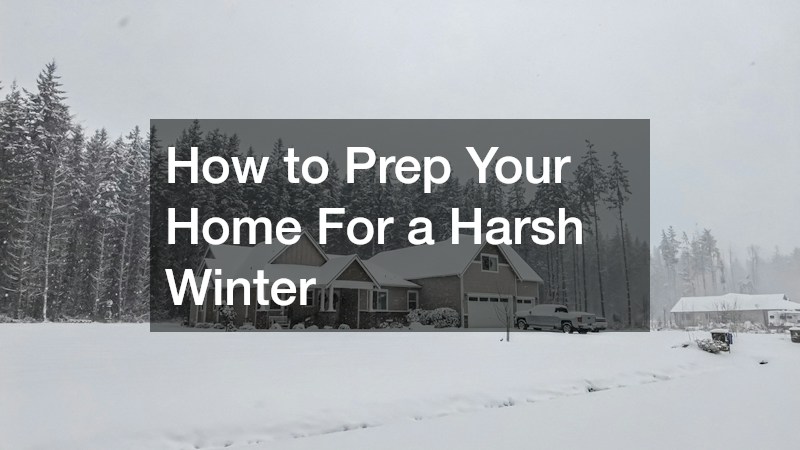
When freezing temperatures, heavy snowfall, and icy winds arrive, your home serves as your family’s primary sanctuary against the seasonal elements. Preparing your residence for severe winter weather requires a proactive approach long before the first major snowstorm sweeps across your region. A thorough winterization strategy not only safeguards your living spaces against catastrophic structural damage but also optimizes energy efficiency, keeps indoor humidity balanced, and maintains comfortable indoor temperatures throughout the coldest months of the year. By systematically inspecting and reinforcing your property’s exterior envelope, heating infrastructure, and plumbing networks, you can navigate even the harshest winter season with complete peace of mind.
Taking the time to evaluate every major system in your home yields substantial long-term dividends. Neglecting simple seasonal maintenance steps—such as sealing air leaks, servicing heating units, and insulating vulnerable water pipes—frequently leads to drafty living areas, skyrocketing monthly utility bills, and emergency repair calls in the dead of winter. A well-executed home winterization plan breaks down complex home maintenance tasks into manageable, actionable steps. By prioritizing critical energy-saving upgrades and protective weatherization measures, you establish a resilient defense that preserves property value and ensures your household remains safe, warm, and cozy all winter long.
Inspecting and Optimizing Your Core Heating Infrastructure
A reliable heating system is the cornerstone of winter home comfort and occupant safety. Before freezing conditions settle in permanently, schedule a professional maintenance tune-up for your central heating equipment. Qualified technicians will thoroughly inspect heat exchangers for hazardous cracks, clean burner assemblies, recalibrate thermostats, and replace clogged air filters that restrict warm airflow. Testing safety limit switches during routine service calls prevents hazardous mechanical overheating. Neglecting routine seasonal maintenance forces your system to work significantly harder to keep up with heating demand, leading to premature mechanical wear, higher energy consumption, and sudden unexpected breakdowns during sub-zero cold snaps.
When an aging heating system reaches the end of its functional operational lifespan, frequent breakdowns and rising fuel costs often signal that a replacement is necessary. Investing in a modern furnace installation introduces high-efficiency multi-stage technology that optimizes fuel usage while delivering steady, even warmth to every room in your home. If your current unit suffers from severe mechanical failures or unsafe operating conditions, prompt heating repair services restore system safety and operational reliability before extreme cold places unprecedented stress on your home’s heating infrastructure.
Securing Fuel Supplies and Managing Fuel Storage
Homes that rely on fuel-based heating equipment require diligent fuel management and storage preparation prior to the onset of severe winter weather. Keeping close track of tank fuel levels prevents unexpected heating outages during severe ice storms or heavy snowfalls that disrupt local supply routes. Inspecting fuel storage tanks, supply lines, and fill pipes for signs of corrosion, weeping seams, or physical damage ensures safe, leak-free operation when fuel demand reaches its seasonal peak. Establishing a consistent monitoring schedule helps homeowners maintain adequate reserve levels throughout the coldest months.
Partnering with dependable heating oil services ensures your fuel supply remains fully replenished through scheduled automatic deliveries tailored to local weather forecasts. Relying on high-quality heat oil keeps your boiler or furnace burning cleanly and efficiently, reducing soot accumulation and preventing fuel line clogs caused by cold-weather waxing. Installing digital fuel tank gauges provides accurate real-time inventory tracking directly from your smartphone. Proper fuel preparation paired with professional delivery services guarantees continuous heating performance, protecting your household from dangerous indoor temperature drops when winter storms strike unexpectedly.
Reinforcing Thermal Barriers With Advanced Air Sealing and Insulation
An adequately insulated structural envelope acts as a thermal blanket, trapping warm air inside your living space while blocking frigid outdoor air from infiltrating walls and ceilings. Drafty attics, uninsulated crawlspaces, and hollow rim joists are primary culprits for severe household heat loss, forcing your heating system to run continuously. Installing adequate thermal barriers across exterior walls and roof lines dramatically reduces seasonal heat transfer, eliminating cold spots and reducing monthly heating expenses. Inspecting current insulation depth in your attic space is one of the easiest ways to gauge your home’s overall thermal efficiency.
Hiring professional insulation services allows homeowners to identify hidden thermal breaks using specialized infrared cameras and blower door testing. Applying high-performance spray foam insulation along rim joists, attic knee walls, and crawlspace boundaries creates an airtight seal that completely blocks cold air drafts while preventing indoor moisture migration. Sealing attic bypass gaps around recessed lighting fixtures stops buoyant warm air from escaping into roof cavities. Enhancing your home’s insulation envelope keeps living spaces consistently warm, reduces structural strain on your heating system, and effectively prevents costly ice dams from forming along roof eaves.
Upgrading Windows and Stopping Drafts Around Glass Surfaces

Glass windows represent one of the most vulnerable points for winter heat loss in any residential structure. Single-pane glass and aging double-pane windows with broken thermal seals allow indoor heat to radiate outward while cold outdoor air leaks inside through worn weatherstripping. Homeowners can install clear window insulation film, heavy thermal drapery, or adhesive draft-stopping seals as effective temporary measures to improve thermal performance. However, permanently addressing severe window drafts requires evaluating the structural condition of frames, sashes, and sealing gaskets across your entire home.
Consulting with an experienced window contractor helps you evaluate whether custom weatherization, secondary glazing, or complete unit replacements are right for your property. Modern ENERGY STAR certified double-pane and triple-pane windows utilize low-emissivity glass coatings and argon gas fills to dramatically reduce winter thermal conduction. Upgrading outdated, drafty windows with high-efficiency replacements permanently eliminates cold perimeter drafts, enhances soundproofing, and drastically lowers seasonal home heating costs.
Sealing Exterior Entryways and Upgrading Entry Doors
Exterior entry doors are subject to continuous operational wear, which can compress weatherstripping, warp door frames, and create visible light gaps along thresholds. Cold winter winds easily penetrate unsealed door perimeters, causing persistent floor-level drafts across entryways and adjacent living areas. Replacing cracked sweeps, adjusting latch strike plates, and installing fresh foam or silicone weatherstripping around door jambs stops unwanted air infiltration. Adding temporary draft stoppers along bottom edges provides immediate supplemental protection against bitter winter gusts.
When existing exterior doors are structurally compromised, uninsulated, or damaged beyond practical repair, replacing them with modern insulated units offers immediate performance gains. Installing a high-efficiency custom door provides an airtight fit tailored to your entry frame while incorporating dense polyurethane foam cores that block outdoor cold. Pairing a resilient new entryway with professional heating installation creates a balanced, highly efficient thermal environment that maintains steady indoor comfort regardless of extreme outdoor weather conditions.
Protecting Attached Garages and Unheated Workspaces
Attached garages share common walls and ceiling surfaces with primary living areas, making them major sources of cold air infiltration if left uninsulated. Cold air lingering inside an unheated garage easily chills adjacent bedrooms, hallways, and kitchen floors, placing additional load on central heating equipment. Furthermore, uninsulated garage spaces put exposed water supply pipes and water heaters at severe risk of freezing during prolonged sub-zero weather events. Organizing garage workspaces, insulating exposed plumbing lines, and sealing interior access doors helps buffer your home against extreme temperature drops.
Executing an insulated garage door installation provides a robust thermal barrier that elevates ambient temperatures inside your garage by up to twenty degrees during winter. High-R-value steel garage doors featuring polyurethane insulation cores block cold winds and reduce heat loss through shared residential walls. Installing heavy rubber bottom seals along garage thresholds keeps driving snow and freezing wind out. Insulating the garage perimeter protects parked vehicles, stored belongings, and plumbing infrastructure while preventing cold air from penetrating primary living spaces every time the garage door opens.
Protecting Plumbing Lines and Preventing Burst Pipe Disasters
Frozen water pipes are among the most catastrophic and costly hazards homeowners face during severe winter cold snaps. When water inside exposed supply lines freezes, it expands rapidly, creating tremendous internal pressure that can rupture copper, PEX, or PVC piping. Unheated basements, crawlspaces, exterior walls, and uninsulated attics contain the most vulnerable plumbing lines. Insulating accessible water pipes with thick foam sleeves or heating cables provides essential thermal protection against sudden hard freezes. Placing thermostatically controlled heat tape on vulnerable water lines offers automated protection during sudden arctic blasts.
Before sub-freezing temperatures arrive, disconnect all outdoor garden hoses, drain exterior spigots, and close interior shut-off valves serving outdoor faucets. During extreme cold snaps, keep cabinet doors open under kitchen and bathroom sinks to allow warm ambient room air to circulate interior plumbing lines. Allowing vulnerable faucets to trickle cold water slowly during severe freezes keeps water moving, relieving internal pressure and drastically reducing the risk of a burst pipe disaster.
Maintaining Roofs, Gutters, and Exterior Drainage Paths
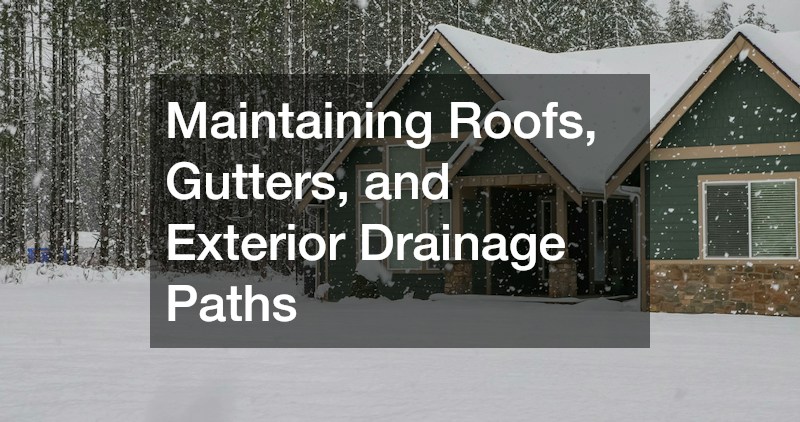
Severe winter weather brings heavy snow loads, ice accumulation, and freezing rain that test the structural integrity of your roof and gutter network. Clean gutters and downspouts thoroughly in late autumn to ensure melting snow drains freely off your roof and away from your foundation. Accumulated leaves, twigs, and debris trap standing water in gutter troughs, which freezes into heavy ice blockages that can pull gutter systems away from fascias and cause water to back up under roof shingles.
Inspecting your roof shingles for damage, curling, or loose flashing prevents winter meltwater from leaking into attic spaces and interior ceilings. Installing gutter heat cables along vulnerable roof valleys and eave overhangs helps keep drainage channels clear during alternating freeze-thaw cycles. Directing downspout extensions at least five to ten feet away from your home’s foundation prevents pooling of meltwater from freezing along concrete footings or leaking into basements during mid-winter thaws.
Implementing Interior Climate Controls and Smart Heating Practices
Optimizing interior temperature controls allows homeowners to maintain exceptional winter comfort without overworking heating equipment or wasting fuel. Upgrading to a programmable or smart thermostat allows you to automate temperature setbacks when your family is sleeping or away from home during the workday. Lowering indoor settings by seven to ten degrees for eight hours a day can yield up to ten percent annual savings on home heating costs. Modern smart thermostats also allow you to monitor indoor temperatures remotely, sending instant smartphone alerts if temperatures drop unexpectedly due to equipment failure.
Managing indoor airflow and ceiling fan direction further enhances overall heating efficiency. Switching ceiling fans to run clockwise at low speeds creates a gentle updraft that pushes warm air trapped near ceilings back down into primary living zones. Keeping interior supply vents open, unblocked by furniture, and clear of heavy drapery ensures balanced warm air circulation across all rooms. Maintaining optimal indoor humidity between thirty and fifty percent makes air feel warmer while reducing static electricity. Pairing smart controls with optimized air circulation maintains cozy, consistent warmth while keeping energy consumption under tight control.
Assembling Emergency Winter Preparedness and Backup Systems
Severe winter storms often bring heavy ice accumulation and high winds that knock out electrical power grids for hours or even days. Preparing an emergency winter survival kit ensures your household remains safe, warm, and self-sufficient during extended power outages. Essential emergency supplies include flashlights, extra batteries, non-perishable food, bottled water, a manual can opener, first-aid supplies, a battery-powered radio, and heavy wool blankets or cold-weather sleeping bags.
Installing a reliable backup power source, such as a portable or standby generator, keeps critical appliances running during winter emergency blackouts. A standby generator automatically powers home heating controls, well pumps, refrigerators, and medical equipment when primary grid power fails. Testing backup generators, stocking fresh fuel, and testing smoke and carbon monoxide detectors monthly provides invaluable protection and reassurance when extreme winter weather turns hazardous.
Ensuring Long-Term Winter Protection for Your Home
Preparing your home for a severe winter requires a thoughtful combination of structural maintenance, thermal sealing, heating system optimization, and emergency planning. By proactively addressing vulnerable windows, doors, insulation gaps, and fuel supplies, you protect your home against severe winter weather hazards while optimizing overall energy efficiency. Investing in routine professional maintenance and high-performance home upgrades transforms your property into a resilient, energy-efficient fortress against seasonal cold.
Taking action before winter weather arrives guarantees that your household remains safe, comfortable, and warm through the stormiest winter months. Whether upgrading thermal barriers, servicing heating equipment, or preparing emergency backup systems, early preparation eliminates stress and prevents costly emergency repairs. Complete your winterization checklist today to enjoy a cozy, worry-free season in the comfort of your well-protected home.