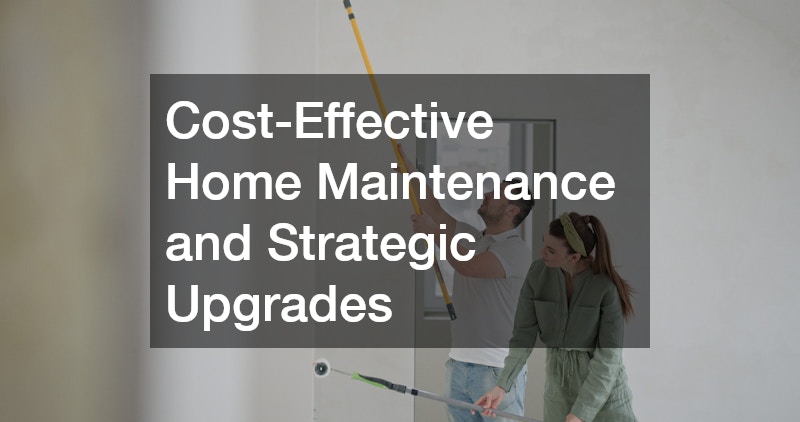
Homeownership can be called the cornerstone of stability and is a primary vehicle for wealth accumulation. However, that dream is frequently punctuated by the reality of a leaking faucet at 2:00 AM or the sudden silence of a furnace on the coldest night of the year. The transition from renter to owner shifts the burden of upkeep entirely onto your shoulders. Without a strategic approach, a house can quickly transform from an asset into a liability. The secret to successful homeownership isn’t just having a large repair budget; it is the implementation of a proactive, cost-effective maintenance philosophy that prioritizes prevention over cure.
A cost-effective approach does not mean cutting corners or choosing the cheapest materials. Rather, it involves understanding the lifecycle of your home’s various systems and intervening at the precise moment when a small investment can prevent a catastrophic failure. It means distinguishing between cosmetic “fluff” and structural “function.” In this deep dive, we will explore how to manage your property with the precision of a professional facility manager, ensuring your living space remains safe, efficient, and aesthetically pleasing without draining your savings account.
Protecting Your Home from the Elements

The exterior envelope of your home—the roof, walls, windows, and foundation—is your first line of defense against the destructive forces of nature. Water is the primary enemy of any structure. When moisture penetrates the envelope, it leads to rot, mold, and structural compromise. A cost-effective maintenance strategy begins with a thorough inspection of these outer layers. Most homeowners ignore their roofs until a brown stain appears on the ceiling, but by then, the damage is already extensive. Small issues, such as a few missing shingles or cracked flashing, can be addressed through targeted roof repairs. By spending a few hundred dollars on localized mending, you can often extend the life of your entire roofing system by five to ten years, deferring a replacement cost that can reach tens of thousands of dollars.
Internal water management is equally vital. Plumbing issues are often “silent” until they become loud and expensive. A slow drip under a kitchen sink can rot the base cabinet and promote black mold growth before you even notice a puddle. Developing a habit of checking high-risk areas—such as under sinks, around the water heater, and behind the refrigerator—is essential. When you do find a minor leak or a clogged drain, addressing those plumbing repairs immediately prevents the emergency service calls that carry heavy “after-hours” premiums. Proactivity here also includes checking your water pressure; excessively high pressure can stress your pipes and lead to premature bursts.
- Inspect your attic after heavy rain to look for damp spots or light filtering through the roof deck.
- Keep gutters and downspouts clear to ensure water moves away from your foundation.
- Test your sump pump twice a year by pouring water into the pit to ensure it triggers correctly.
- Replace rubber washing machine hoses with braided stainless steel lines to prevent catastrophic floods.
Climate Control and Efficiency
Your heating, ventilation, and air conditioning (HVAC) system is likely the most expensive mechanical component of your home. It is also the one that impacts your monthly utility bills the most. Neglecting this system is a recipe for financial disaster. Air filters should be changed every 30 to 90 days depending on your household (pets and allergies require more frequent changes). A clogged filter restricts airflow, forcing the blower motor to work harder, which consumes more energy and shortens the component’s lifespan. During the warmer months, ensuring your system is running at peak performance requires professional air conditioning services. A technician can clean the condenser coils, check refrigerant levels, and clear the condensate drain line, preventing the system from freezing up or leaking water into your home.
As the seasons change, the focus shifts to the heating elements. An efficient home requires a holistic view of heating and cooling services. This means more than just fixing a broken furnace; it involves optimizing the entire thermal envelope. Sealing gaps around windows with caulk and adding weatherstripping to doors can reduce the load on your HVAC system by up to 15%. Furthermore, getting an annual tune-up for your furnace ensures that the heat exchanger is not cracked, which is a critical safety check to prevent carbon monoxide poisoning. Investing in a programmable or smart thermostat allows you to reduce usage when you aren’t home, further driving down costs while preserving the mechanical integrity of the units.
- Clean the outdoor condenser unit by removing leaves, grass clippings, and dirt from the fins.
- Check ductwork for visible gaps or tape that has lost its adhesion; seal them with mastic or foil tape.
- Ensure that all supply and return vents are unobstructed by furniture or rugs to maintain proper air balance.
- Consider adding insulation to your attic if you can see the ceiling joists; it’s one of the highest ROI upgrades available.
Managing the Electrical Backbone

Electrical systems are the nervous system of the modern home. They are also hidden behind walls, making them easy to ignore until a circuit breaker trips or a smell of ozone fills the room. Safety must be the primary driver here. Modern electronics and appliances place a significant load on older wiring. If you find yourself using numerous power strips or noticing that lights dim when the microwave starts, it may be time for electrical panel upgrades. Moving from an old 60-amp or 100-amp service to a 200-amp panel not only makes your home safer by preventing overloads but also prepares the property for future technologies like electric vehicle chargers or heat pumps.
Beyond the panel, the general health of your wiring and fixtures dictates your daily convenience. For tasks that involve high-voltage work or complex wiring, hiring professional electrician services is a non-negotiable safety requirement. They can install AFCI (Arc Fault Circuit Interrupter) breakers that detect dangerous sparking, which is a leading cause of residential fires. Additionally, converting your home to LED lighting is a low-cost upgrade with an immediate payback in energy savings. While an LED bulb costs more upfront than an old incandescent, it uses 75% less energy and lasts 25 times longer, effectively paying for itself within a year of use.
- Test your GFCI outlets (the ones with the “test” and “reset” buttons) in kitchens and bathrooms monthly.
- Label your breaker box clearly so you know exactly which switch controls which room in an emergency.
- Avoid the “over-lamping” hazard—never use a bulb with a higher wattage than the fixture is rated for.
- Consider a whole-home surge protector installed at the main panel to protect expensive electronics from power spikes.
Fire Safety and Life-Saving Infrastructure

While we often focus on the financial costs of home maintenance, the human cost of neglect is far greater. Fire safety is an area where “cost-effective” means “absolute reliability.” Every home should have smoke and carbon monoxide detectors on every level and inside every bedroom. However, simply having them is not enough; they must be functional. Engaging with professional fire alarm services ensures that your system is not just a collection of plastic boxes on the ceiling, but an integrated network that will alert you in time to escape. Many modern systems can be monitored 24/7, providing peace of mind even when you are away from home. Hardwired systems with battery backups are the gold standard for residential safety.
Beyond detection, fire prevention involves maintaining the systems that generate heat or sparks. This includes cleaning your dryer vent at least once a year. Lint buildup in dryer vents is a common cause of house fires and significantly reduces the efficiency of your appliance. Similarly, if you have a fireplace, an annual chimney sweep is vital to remove creosote. Maintenance in this category isn’t just about the hardware; it’s about the habits. Keeping flammable materials away from the water heater and ensuring that fire extinguishers are charged and accessible are zero-cost actions that provide immeasurable value. When it comes to life safety, the investment is always worth it.
- Replace smoke detectors every 10 years, even if they still seem to work, as the sensors degrade.
- Use “long-life” 10-year lithium batteries to eliminate the annoying low-battery chirps.
- Create and practice a fire escape plan with everyone in the household twice a year.
- Keep a fire blanket in the kitchen for small stovetop grease fires where water would be dangerous.
High-Impact Aesthetic Refreshes
Once the structural and mechanical systems are secure, we can turn our attention to the visual elements that define your home’s character. You don’t need a six-figure renovation budget to make a space feel brand new. One of the most dramatic transformations you can undertake involves wood floor refinishing. Over the years, hardwood floors become scratched, dull, and stained. Instead of the massive expense of tearing them out and replacing them, sanding them down and applying a fresh stain and polyurethane coat can restore their original luster for a fraction of the cost. This process highlights the natural beauty of the timber and can completely shift the color palette of your home to a more modern aesthetic.
The kitchen remains the heart of the home and the primary driver of resale value. If your kitchen feels dated, you don’t necessarily need new cabinets. Painting your existing cabinet boxes and replacing the doors can provide a high-end look on a budget. To truly elevate the space, a new countertop installation can serve as the centerpiece of the room. Moving from old, scratched laminate to quartz or granite provides a durable, heat-resistant surface that screams quality. By shopping for “remnants” at stone yards, you can often find high-quality slabs for small kitchens or bathrooms at a significant discount. These surface-level upgrades provide the “wow” factor that makes a home enjoyable to live in and easy to sell.
- Use a high-quality, washable paint in a neutral “greige” to brighten up rooms and hide imperfections.
- Swap out dated, brass-colored door handles and cabinet pulls for matte black or brushed nickel.
- Regrout tile in bathrooms to remove mold stains and make the space look sterile and new.
- Add a tile backsplash in the kitchen—it’s a manageable DIY project that adds immense visual depth.
Systems for a Stress-Free Home

Maintenance isn’t just about fixing things; it’s about the ongoing management of the space. A cluttered home is a home that is hard to clean, hard to inspect, and hard to enjoy. Professional-grade closet organization systems can transform a cramped, chaotic bedroom into an oasis of efficiency. By maximizing vertical space and utilizing specialized shelving for shoes, accessories, and hanging items, you can effectively double your usable storage. This isn’t just about aesthetics; it’s about protecting your belongings and reducing the mental load of searching for items every morning. When everything has a dedicated place, the home stays cleaner longer, and you are more likely to notice minor issues like a damp wall or a pest intrusion.
Organization extends to the “invisible” parts of the home as well—the garage, the basement, and the utility room. Wall-mounted racks for tools and overhead bins for seasonal decorations keep the floor clear, preventing moisture from being trapped against the slab. A clean utility room makes it much easier for technicians to perform the aforementioned HVAC and electrical work. Furthermore, organizing your digital home—storing warranties, appliance manuals, and contractor receipts in a cloud-based folder—ensures that when something does go wrong, you have the information you need at your fingertips. Order is the final step in the transition from a reactive homeowner to a proactive property steward.
- Perform a “one-in, one-out” rule for clothing and kitchen gadgets to prevent clutter creep.
- Label every shelf and bin so that family members know exactly where things belong.
- Use clear containers for pantry items to see at a glance what needs to be restocked.
- Create a “landing zone” by the front door for keys, mail, and shoes to prevent dirt from being tracked through the house.
Cost-effective home maintenance is a marathon, not a sprint. It requires a shift in perspective from seeing your home as a finished product to viewing it as a living, breathing system that needs constant, gentle attention. By prioritizing the structural envelope, maintaining mechanical efficiency, and strategically choosing high-impact aesthetic upgrades, you can preserve your wealth and your peace of mind. The most expensive home repair is always the one that could have been prevented with a five-dollar part or a thirty-minute inspection. Take ownership of your maintenance schedule today, and your home will remain a source of pride and security for decades to come.